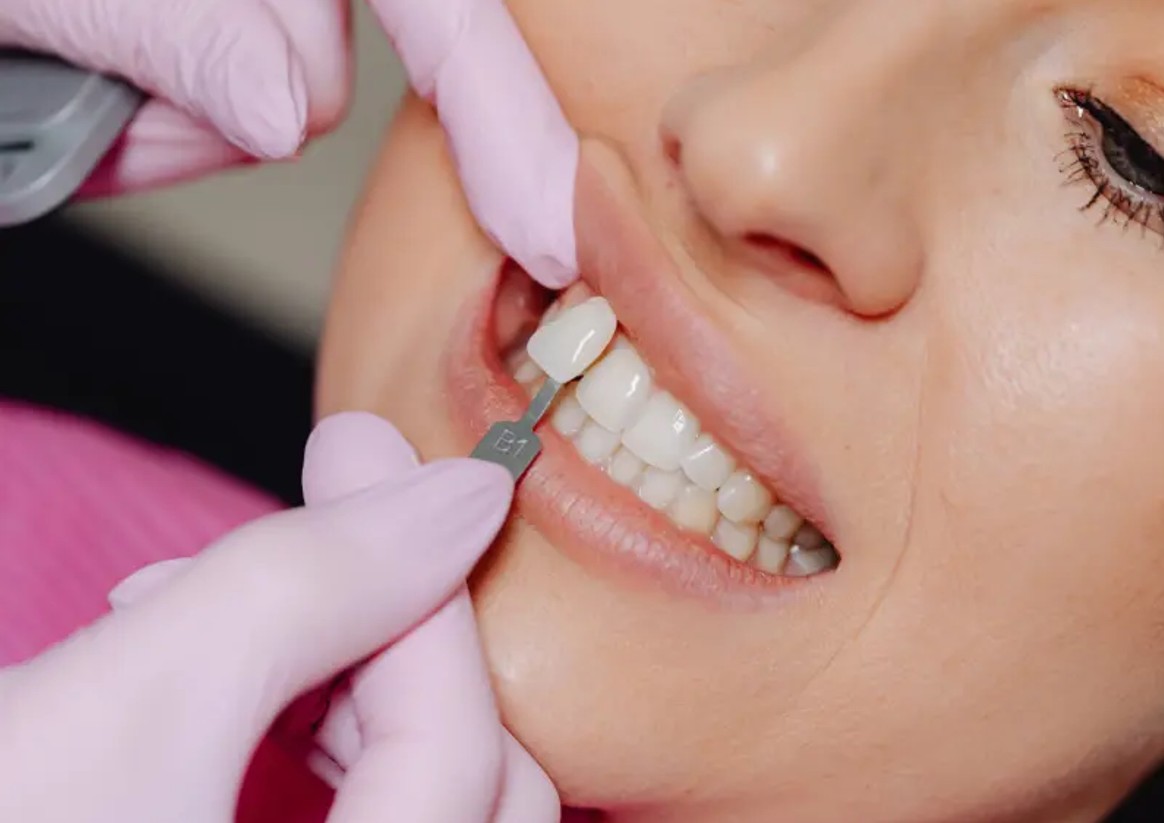
Losing most or all of your teeth can affect far more than your smile. Everyday tasks such as chewing steak, biting into an apple, or speaking clearly can become challenging. Traditional dentures help, but they may slip, rub, or reduce taste sensation. A full set of dental implants offers a stable, long‑term alternative that feels closer to natural teeth.
Below is a look at what full‑arch implant treatment involves, who benefits most, and what to consider before taking the next step.
What Are Full‑Arch Dental Implants?
A full set, sometimes called full‑mouth or full‑arch implants, replaces every tooth in the upper or lower jaw with a fixed bridge supported by several titanium posts. Rather than placing one implant per missing tooth, dentists typically use four to six implants in strategic positions to anchor a single piece that restores the entire arch. The result is a strong, permanent solution that does not come out at bedtime.
People Who Often Benefit From a Full Set
1. Complete Tooth Loss From Decay or Gum Disease
Years of untreated cavities or advanced periodontal disease can lead to widespread tooth loss. When very few natural teeth remain, replacing each one individually may not be practical or cost‑effective. A full set of dental implants allows you to start fresh with a stable and aesthetically pleasing arch.
2. Long‑Term Denture Wearers Seeking Stability
Conventional dentures rest directly on the gums. Over time, the jawbone beneath can shrink, causing dentures to loosen and slip while talking or eating. Implant‑supported bridges anchor to bone and help preserve it, offering better chewing power and confidence.
3. Severe Trauma to the Mouth or Face
Accidents such as car collisions, sports injuries, or falls can fracture multiple teeth beyond repair. When several teeth in a row—or an entire arch—are damaged, full‑arch implants restore both function and facial structure more predictably than partial repairs.
4. Congenital or Developmental Conditions
Certain genetic disorders like ectodermal dysplasia or amelogenesis imperfecta affect tooth development. Individuals born without many teeth, or with teeth too weak to restore, often find full‑arch dental implants to be a reliable long‑term solution.
5. Repeated Failure of Extensive Restorations
Sometimes bridges, crowns, or partial dentures fail one after another because the supporting teeth or gums can no longer cope. Switching to implants removes reliance on compromised natural structures and can end the cycle of ongoing repairs.
Factors to Consider Before Choosing Full‑Arch Implants
- Bone Density: Adequate jawbone height and width are essential. If bone has already resorbed, grafting procedures may be required.
- Overall Health: Conditions such as uncontrolled diabetes or heavy smoking can slow healing. A comprehensive health review helps ensure predictable results.
- Budget and Financing: Full‑arch dental implants cost more upfront than removable dentures, although they often require less maintenance over time.
- Time Commitment: From initial scans through surgery and final placement, the process can take several months. Some same‑day solutions exist, but not everyone is a candidate.
- Daily Hygiene Routine: Implant bridges do not get cavities, yet careful brushing and flossing are still necessary to prevent implant‑related gum disease.
Advantages Over Conventional Dentures
| Feature | Full‑Arch Implants | Conventional Dentures |
| Stability | Fixed in place | Can slip or shift |
| Chewing Efficiency | Close to natural teeth | Reduced bite force |
| Bone Preservation | Stimulates jawbone | Bone continues to recede |
| Taste and Temperature Sensation | Palate remains uncovered | Upper plate covers palate |
| Longevity | Decades with proper care | Replaced or relined every 5–8 years |
What the Treatment Process Looks Like
1. Comprehensive Evaluation
Digital X‑rays or a cone‑beam CT scan assess bone quality and map nerve pathways. Impressions record bite alignment for the final bridge design.
2. Treatment Planning
Using 3D software, the dentist decides on the number and placement of implants. A surgical guide may be printed to ensure precise positioning.
3. Implant Surgery
Under local anesthesia and optional sedation, titanium posts are placed into the jawbone. Temporary teeth may be attached the same day, or a healing period of three to six months may follow.
4. Osseointegration
Over time, bone bonds to the implant surfaces, creating a stable foundation. Follow‑up visits monitor healing progress.
5. Placement of the Final Bridge
When integration is complete, a custom porcelain or zirconia bridge is secured to the implants with small screws or abutments. The result looks and feels like natural teeth.
Caring for Full‑Arch Implants
- Brush twice daily with a soft toothbrush and low‑abrasive toothpaste.
- Use floss threaders, water flossers, or interdental brushes to clean underneath the bridge.
- Attend professional cleanings every six months, or more frequently if recommended.
- Avoid tobacco products, which increase the risk of implant complications.
Learn More About Full‑Arch Solutions
A dentist in Stouffville shares a clear video that walks through full‑arch dental implants and their benefits. You can find it under the dental implants section of her site.
Choosing to replace all your upper or lower teeth with dental implants is a major decision, yet for the right candidate it can restore confidence, chewing function, and facial support better than removable options. If you think you might benefit from a full set, a professional consultation will help determine whether implants are the best path to a healthier, lasting smile.