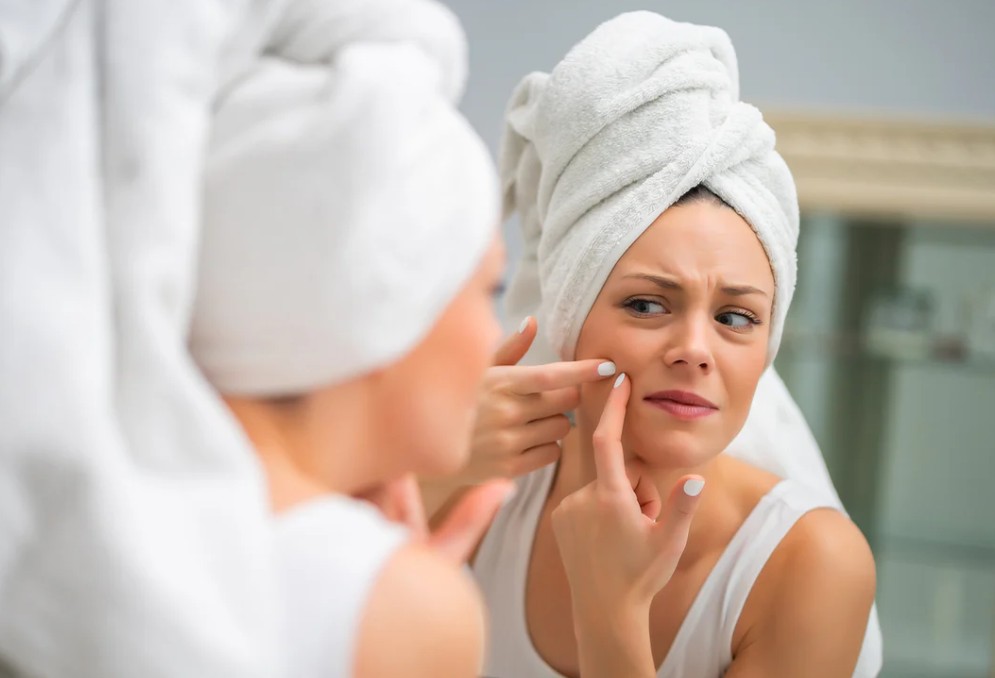
Body acne is a common skin concern that affects people of different age groups. While facial acne often receives more attention, breakouts on areas such as the back, shoulders, chest, and upper arms can be equally frustrating. In a humid environment like Singapore, sweat, oil production, and friction from clothing can make the condition more noticeable and difficult to manage.
Many people searching for body acne treatment in Singapore are looking for ways to reduce recurring breakouts, improve skin texture, and prevent long term marks or scarring.
What Causes Body Acne
Body acne develops when hair follicles become clogged with oil, dead skin cells, and bacteria. This creates inflammation and leads to pimples, pustules, or deeper cystic acne. Hormonal changes, excessive sweating, stress, and certain skincare products can also contribute to flare ups.
The back and chest are particularly prone to acne because these areas contain a higher concentration of oil glands. Tight clothing, gym wear, and humid weather may further trap sweat and bacteria against the skin, worsening breakouts.
Common Types of Body Acne
Body acne can appear in different forms depending on severity.
- Whiteheads and blackheads are mild forms caused by clogged pores.
- Papules and pustules are inflamed pimples that may become red and painful.
- Cystic acne is more severe and develops deeper under the skin, often leading to scarring if untreated.
Some people may also experience post inflammatory pigmentation or uneven skin tone after the acne heals.
Why Body Acne Can Be Difficult to Treat
Unlike facial acne, body acne affects larger areas of skin, making treatment more challenging. The skin on the back and chest is also thicker, which means topical products may take longer to show visible improvement.
Consistency is another challenge because applying treatments to hard to reach areas can be inconvenient. In addition, untreated body acne may leave dark spots or scars that can take months to fade.
Skincare and Daily Management
Proper skincare habits play an important role in controlling body acne.
Using body washes with ingredients such as salicylic acid or benzoyl peroxide can help unclog pores and reduce bacteria.
Showering after workouts helps remove sweat and oil before they build up on the skin. Wearing loose and breathable clothing can also reduce irritation and friction.
It is equally important to avoid heavy or oily skincare products that may block pores and worsen breakouts.
Medical and Professional Treatment Options
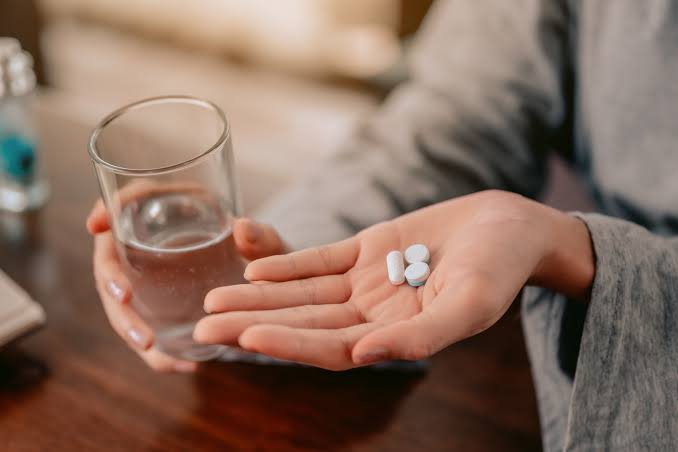
For persistent or severe acne, professional treatment may be necessary. Doctors may recommend topical retinoids, antibiotics, or oral medications depending on the severity of the condition.
In more stubborn cases, oral isotretinoin may be considered to reduce oil production and inflammation.
Clinical treatments such as laser therapy, chemical peels, and light based procedures are also commonly used to improve active acne and reduce scarring.
Importance of Early Treatment
Delaying treatment can sometimes make body acne more difficult to manage. Repeated inflammation increases the likelihood of pigmentation and permanent scars.
Early intervention not only helps control breakouts but also reduces the risk of long term skin damage. This is especially important for individuals experiencing cystic or widespread acne.
Lifestyle Factors That May Affect Acne
Lifestyle choices can influence the severity of body acne.
Stress may contribute to hormonal changes that trigger oil production. Diets high in refined sugar or dairy products may also affect some individuals.
Maintaining proper hygiene, staying hydrated, and avoiding prolonged exposure to sweat can support overall skin health.
Managing Expectations During Treatment
Body acne treatment often requires patience. Visible improvement may take several weeks, especially when dealing with larger affected areas.
Consistency with skincare routines and medical advice is important for long term results. Some treatments may initially cause mild dryness or irritation before the skin adjusts.
Following a structured routine and avoiding frequent product changes usually leads to better outcomes over time.
Conclusion
Body acne is a common but manageable condition that can affect confidence and skin health if left untreated. Understanding the causes, triggers, and available treatment options is important for achieving clearer skin.
Whether through proper skincare, lifestyle adjustments, or professional care, there are multiple approaches available for managing body acne effectively. With consistent treatment and early attention, many individuals are able to reduce breakouts, improve skin texture, and prevent long term scarring.