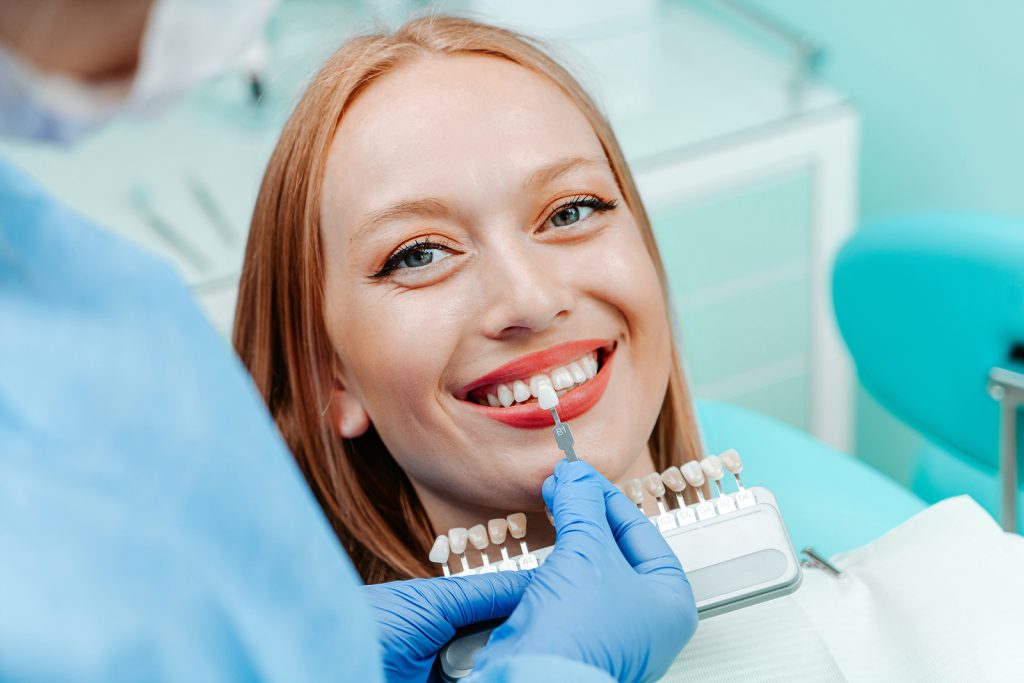
Teeth whitening has become one of the most popular cosmetic dental treatments available today. Whether it’s a professional in-office session or an at-home kit, many people seek out whitening to brighten their smile. While the results can be noticeable and confidence-boosting, one common side effect is temporary tooth sensitivity.
If you’ve experienced zings of discomfort after whitening or are worried about it before starting treatment, you’re not alone. Sensitivity from teeth whitening is common and manageable. Here’s what causes it, how long it typically lasts, and what you can do to prevent or relieve it.
Why Does Teeth Whitening Cause Sensitivity?
Teeth are made up of several layers. Beneath the hard outer enamel lies dentin, which contains microscopic tubules that lead to the tooth’s nerve. Whitening products typically use hydrogen peroxide or carbamide peroxide to break down stains. In the process, these chemicals can temporarily penetrate the enamel and irritate the nerve endings in the dentin.
This irritation doesn’t cause permanent damage, but it can result in short-lived sensitivity to temperature changes, sweet or acidic foods, and even air.
Factors That Increase the Risk of Sensitivity
While not everyone will experience discomfort, certain factors can make sensitivity more likely:
- Already sensitive teeth: People who have mild tooth sensitivity may notice an increase after whitening.
- Gum recession: Exposed roots are not protected by enamel, so whitening agents can reach the dentin more easily.
- Higher-concentration gels: Stronger peroxide levels often lead to faster results but may also increase the chance of sensitivity.
- Whitening frequency: Whitening too often without giving your teeth a break can wear down enamel and increase sensitivity.
- Improper tray fit: Ill-fitting trays can allow the whitening gel to leak onto gums or unevenly coat the teeth.
How Long Does Whitening Sensitivity Last?
For most people, sensitivity from teeth whitening is temporary. It often begins during treatment or shortly afterward and usually fades within a few hours to a couple of days. In rare cases, it may persist for several days, but it typically subsides on its own without intervention.
If your discomfort continues beyond a week or worsens over time, it’s a good idea to speak with a dental professional to rule out other causes.
Ways to Prevent Sensitivity Before Whitening
Use a Desensitizing Toothpaste
Start using a toothpaste for sensitive teeth at least two weeks before whitening. Ingredients like potassium nitrate and stannous fluoride can help block the nerve signals responsible for pain.
Choose Lower Concentration Gels
At-home whitening kits and professional treatments come in different strengths. If you’re prone to sensitivity, ask for a lower-peroxide formula or shorten your wear time.
Avoid Acidic Foods and Drinks
Acidic items like citrus fruits, soda, and vinegar-based foods can weaken enamel. Reducing your intake before and during whitening can help your teeth stay less reactive.
Take Breaks Between Sessions
If you’re using a multi-day whitening treatment, consider spacing out the days to give your teeth time to recover.
Tips to Reduce Sensitivity After Whitening
Use a Soft-Bristled Toothbrush
Gentle brushing protects enamel and gums. Avoid aggressive brushing techniques that can contribute to enamel wear.
Avoid Hot or Cold Foods Temporarily
Sensitivity to temperature is common, so try eating lukewarm or room-temperature foods for a few days post-treatment.
Rinse With Fluoride
A fluoride rinse can strengthen enamel and soothe irritated teeth. Many over-the-counter rinses are specifically designed for sensitive teeth.
Apply Desensitizing Gel
Some dental offices provide take-home kits with gels that can be applied directly to the teeth using custom trays.
Limit Whitening Touch-Ups
Once you’ve reached your desired shade, avoid frequent touch-up sessions. Most people can maintain their results for several months or even years with proper care.
When to Contact a Dentist
While whitening-related sensitivity is usually harmless and fades quickly, there are times when it’s best to consult a professional:
- Pain that lingers more than a few days
- Sensitivity that prevents eating or sleeping
- Signs of gum irritation, burning, or peeling
- Recent dental work like fillings or crowns that may not react well to whitening
Every person’s oral health is different. A dentist can help you determine the safest and most effective whitening option for your specific needs. If you’re considering teeth whitening, a dentist in Barrie outlines the treatment options and what you can expect during and after the process.
A Brighter Smile Without the Discomfort
Tooth sensitivity from teeth whitening is a common and manageable side effect. With a few preventive steps and proper aftercare, most people find the benefits far outweigh the temporary discomfort. Whether you’re using over-the-counter products or working with a dentist for a custom treatment, being informed can help you protect your teeth while achieving the results you want.
With the right plan, whitening doesn’t have to mean sacrificing comfort. A little preparation goes a long way toward a healthier, brighter smile.