Dental implants are one of the most trusted and durable ways to replace missing teeth. They look, feel, and function like natural teeth, but perhaps most importantly, they offer long-term value. If you’re wondering how long dental implants really last, the answer depends on a few factors—some in your control, and some determined at the time of placement.
This article explores how dental implants work, what affects their longevity, and how to keep them functioning for decades.
A Closer Look at Implant Durability
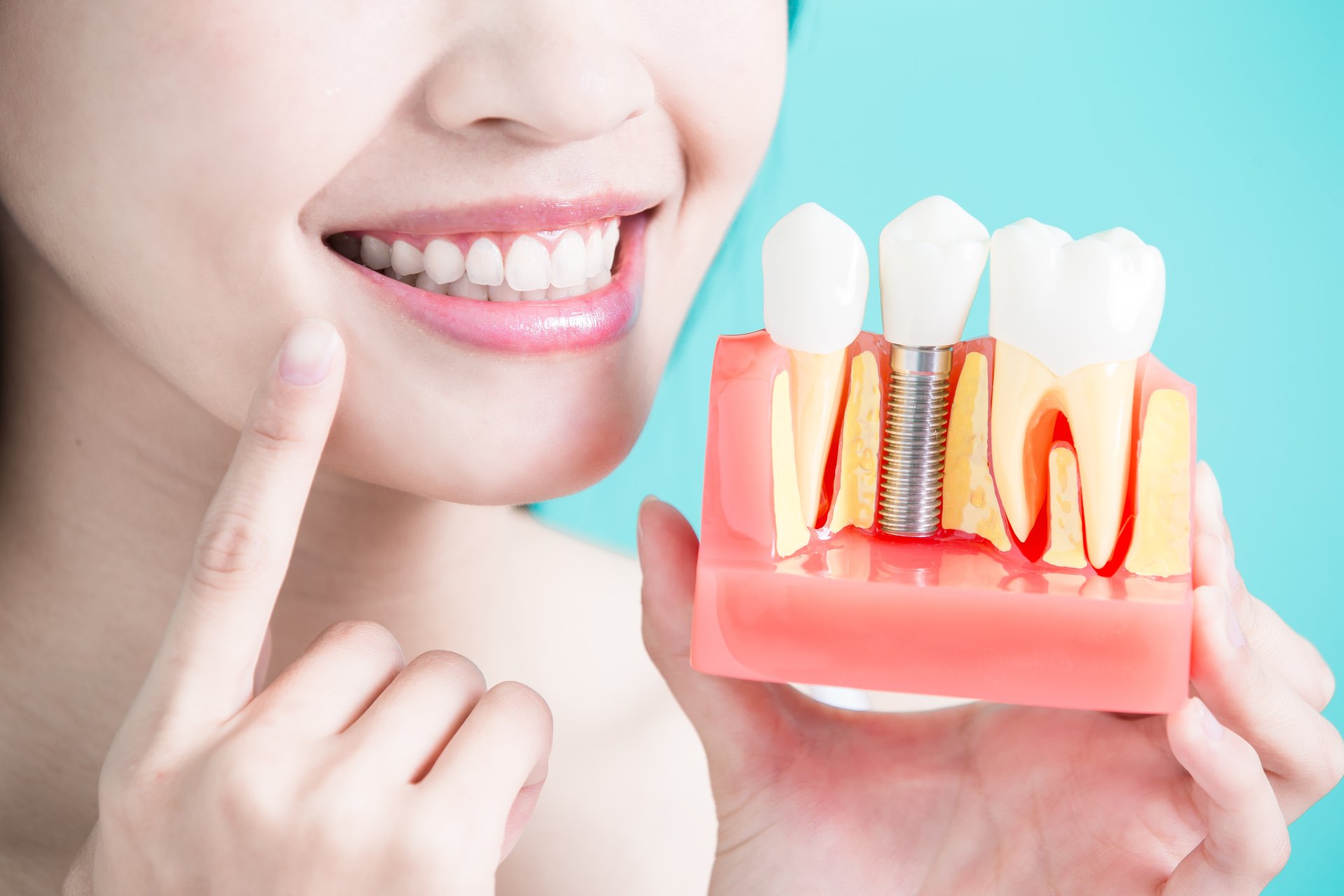
Dental implants are made up of three main parts:
- The implant post, usually made from titanium, is surgically placed into the jawbone and acts like a root.
- An abutment connects the post to the restoration.
- The crown, bridge, or denture sits on top and is the visible, functional replacement tooth.
When properly placed and cared for, the titanium implant itself can last a lifetime. However, the crown or restoration may need to be replaced every 10 to 15 years depending on wear, bite forces, and oral hygiene habits.
If you’re considering tooth replacement options, a dentist in Baton Rouge offers a helpful FAQ section that explains more about how long dental implants last, what affects them, and what to expect over time.
Average Lifespan of Implant Components
- Implant post: Often lasts 20 years or longer, and in many cases, a lifetime with good oral care
- Abutment: Usually does not need frequent replacement unless damaged
- Crown or bridge: Typically lasts 10 to 15 years before normal wear leads to replacement
These estimates assume regular dental checkups, good home care, and no complications such as gum infection or injury.
What Affects the Longevity of Dental Implants?
Oral Hygiene
One of the biggest factors is how well you care for your implants at home. Just like natural teeth, implants can fail if plaque and bacteria are allowed to build up. Daily brushing, flossing, and routine dental visits are essential to prevent gum inflammation or bone loss around the implant.
Bone Health and Implant Placement
For implants to remain stable, they must be surrounded by healthy jawbone. If the bone is thin or weak, grafting procedures may be necessary before placement. Additionally, the success of the procedure relies heavily on precise positioning to ensure forces are evenly distributed when chewing.
General Health Conditions
Chronic conditions like diabetes or osteoporosis can impact bone healing and implant integration. Smoking also reduces blood flow to the gums and slows recovery. Your overall health plays a key role in both initial healing and long-term stability.
Bite Forces and Habits
If you grind your teeth or clench your jaw at night, your implant and crown may experience more wear. In some cases, a night guard may be recommended to protect both natural and artificial teeth.
What You Can Do to Make Implants Last
- Brush and floss daily to remove plaque and bacteria from the gumline and implant surfaces.
- Use a soft toothbrush and low-abrasive toothpaste to avoid damaging the crown or surrounding tissues.
- Avoid chewing on hard objects like ice, pens, or fingernails.
- Attend regular cleanings and checkups so your dentist can detect any signs of wear, gum irritation, or loosening.
- Address grinding habits with a night guard if recommended.
- Quit smoking, as tobacco use increases the risk of implant failure significantly.
Signs of Implant Complications
While dental implants are highly successful, it’s important to stay alert to any early warning signs of trouble:
- Persistent gum inflammation or bleeding near the implant
- Loosening of the crown or restoration
- Pain or discomfort when chewing
- A sudden change in bite or alignment
- Any signs of infection, such as swelling or discharge
Prompt attention can often resolve minor issues before they lead to implant failure.
Is the Investment Worth It?
Although dental implants have a higher upfront cost than traditional dentures or bridges, their longevity often results in better value over time. Unlike removable dentures, implants don’t need adhesives, won’t slip while speaking, and help preserve the jawbone by stimulating it during chewing.
In many cases, the implant post never needs to be replaced, meaning the only long-term cost might be replacing the crown every 10–15 years—a relatively minor update compared to replacing a full denture or bridge.
Dental implants are one of the longest-lasting solutions in restorative dentistry. With proper care and placement, they can remain functional and attractive for decades, offering lasting comfort, strength, and confidence.